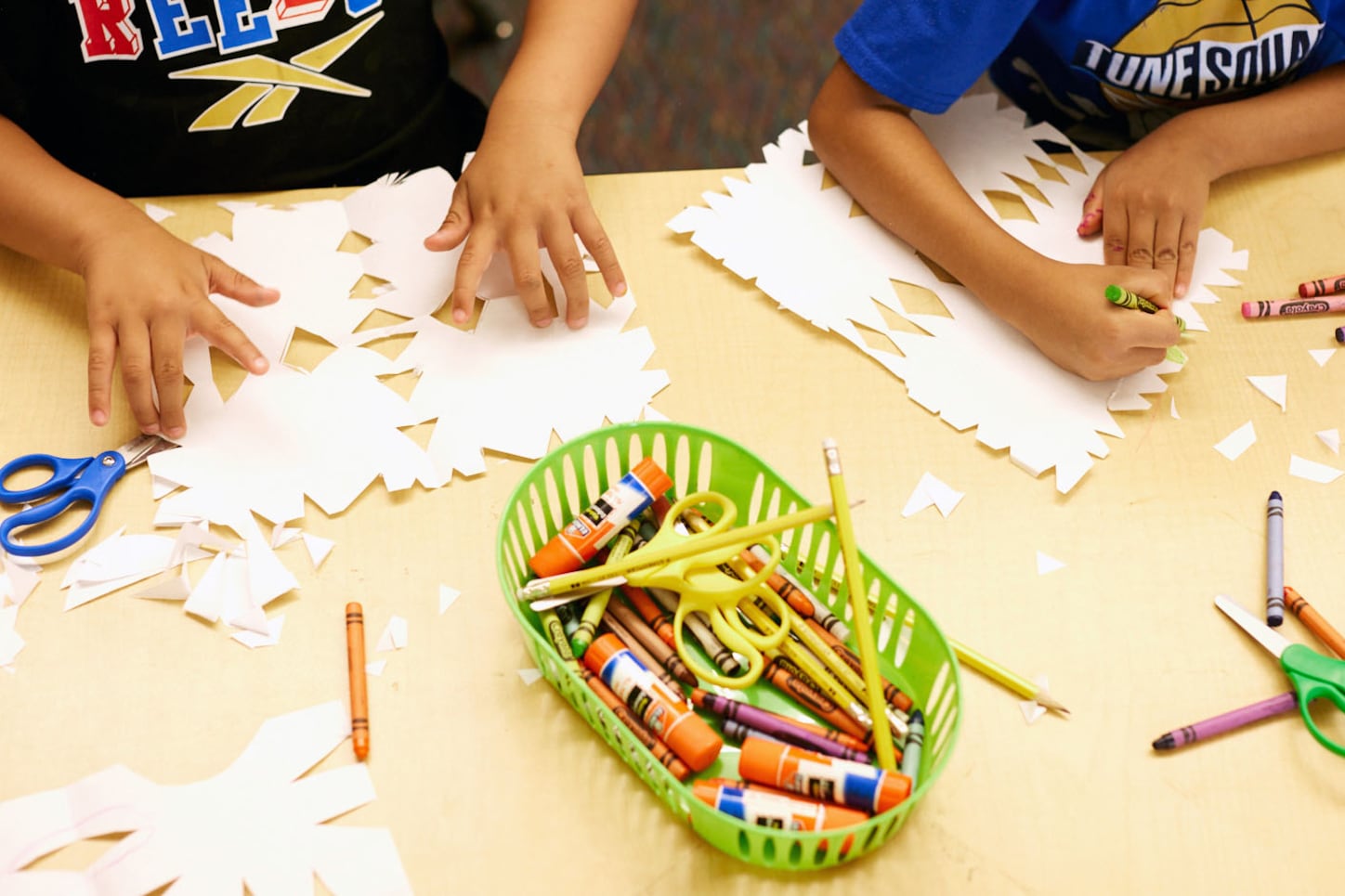
As educators across America prepare to welcome students for the 2024-25 school year, a common practice often goes unseen: Teachers spending their own money on classroom supplies.
While this practice is long-standing, the amount teachers spend has risen sharply in recent years, as many school supplies have jumped in price. More than 90% of teachers spend their own money on school supplies, according to the National Education Association, the largest teachers union in the country. Before the pandemic, teachers spent an average of $500 out of pocket per year. The union estimated that number would jump past $800 for the 2023-24 school year.
Teachers told Chalkbeat in 2018 that they dug into their bank accounts for pencils, snacks, and even an air conditioning unit. Some school districts provide educators stipends for school supplies, but not all do. Fundraising sites like GoFundMe have become increasingly popular for teachers, and for parents raising money for their students’ educators, with the site even publishing tips for classroom fundraising.
As the new school year approaches, Chalkbeat wants to hear from educators: What are you spending on school supplies? What do you wish your school communities knew about this issue? Fill out the survey below to weigh in.
Caroline Bauman is the deputy editor for engagement at Chalkbeat. Owen Berg is Chalkbeat’s 2024 audience and engagement intern.