


Parents and policymakers want to know how much a school helps children learn. For elementary schools, even sophisticated statistics may not provide an answer.
A long-running integration program produced modest test-score gains — and remarkably large increases in college graduation.
Sticker prices at elite schools keep making headlines, but after grants and discounts, students are paying less in tuition than they did a decade ago.
AI may be starting to chip away at the college wage premium. A closer look at Nikole Hannah-Jones’ daughter’s elementary school. A small but important update to Sal Khan’s origin story.
De-emphasizing admissions tests seems to bring in more students from low-income families — but not many.
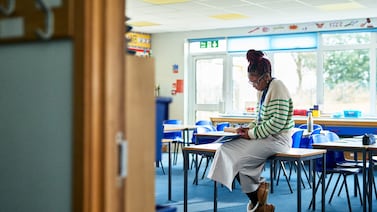
School funding has risen substantially, but teacher salaries have not. One reason: Districts have instead used more resources to hire additional staff.
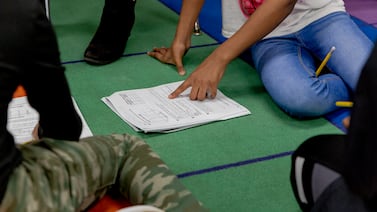
The pandemic-era strategy had unusually broad support, and schools had unprecedented federal aid available. But staffing problems, missed sessions, and diluted programs limited its effect.

American 15-year-olds now score well above average in science and reading on the PISA, but not because they’re making learning gains.

Studies suggest CTE can help students stay engaged, graduate, and land better-paying jobs. But its strongest results may be difficult for more schools to reproduce.

Families are increasingly choosing online public schools, even as research has raised concerns about their academic results.