Michigan high schools can return to in-person learning

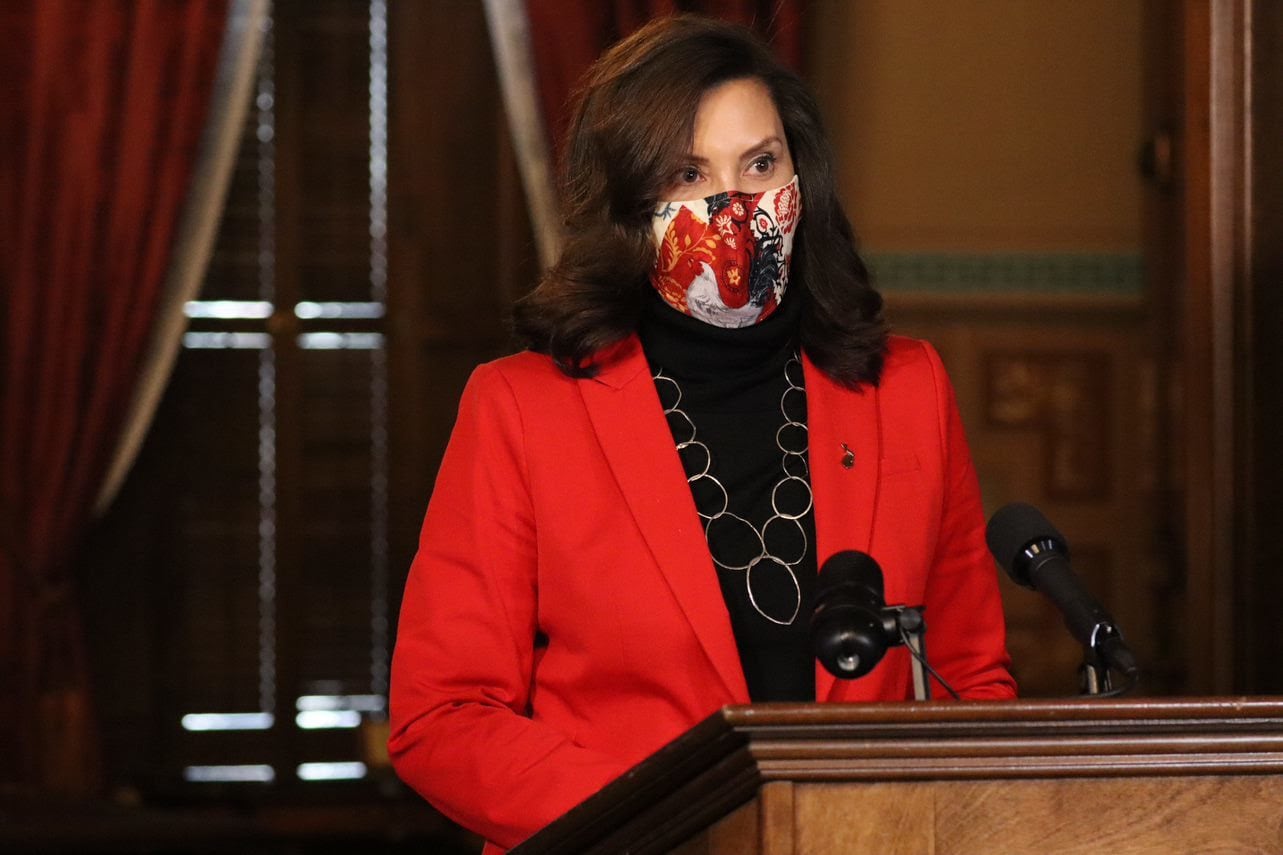
Michigan Gov. Gretchen Whitmer, wearing a mask and red jacket, stands at a podium
Gov. Gretchen Whitmer, speaking during a press conference earlier this week, announced Friday that high schools can return to in-person instruction in January. (Courtesy of the State of Michigan)

Michigan high schools will be able to return to in-person instruction as early as next week.

Gov. Gretchen Whitmer announced during a Friday afternoon press conference that the state is lifting the ban on in-person learning at high schools that was put in place in November when the number of positive COVID-19 cases was surging.

The ban lifts Monday, but most schools begin their holiday break next week.

That ban was one of many  widespread restrictions that were intended to reduce large indoor gatherings. The state also shut down theaters, stadiums, arenas, casinos, group fitness classes, and organized sports. Restaurants and bars were allowed to remain open only for outdoor dining, takeout, and delivery.

The order went into effect Nov. 18. On Dec. 7, Whitmer announced it was being extended another 12 days.

Even before the state issued the order shutting face-to-face instruction in high schools, many school districts across the state had switched from in-person to virtual learning. 

Whitmer said during a press conference earlier this week that positive COVID-19 cases were declining and that Michigan had not experienced the post-Thanksgiving surge many feared.
The Latest

The Denver school board approved a two-year, $3.5 million contract with TeachStart to provide year-long substitute teachers for certain schools.

A Chalkbeat analysis suggests that the district’s joint initiative with its teachers union hasn’t yet given its 20 pilot schools an edge over other high-poverty campuses when it comes to academics and school climate.

A Chalkbeat analysis found that staff turnover, unspent dollars, and community partner tensions have been key challenges for the 7-year-old program.

Superintendent Nikolai Vitti says the law punishes districts for system inequities that contribute to chronic absenteeism.

State lawmakers will consider creating a new agency to oversee IPS schools and charters. Here’s a look at the history and powerful advocates behind that push for unified control over city schools.

The majority of low-income Tennessee students did not receive help paying for summer meals in 2025 for the first time in years. Now, local officials want the state to bring back federal aid for 2026.