Lunch woes? Staff shortages? Quarantines? Tell us how Michigan’s school year is going.

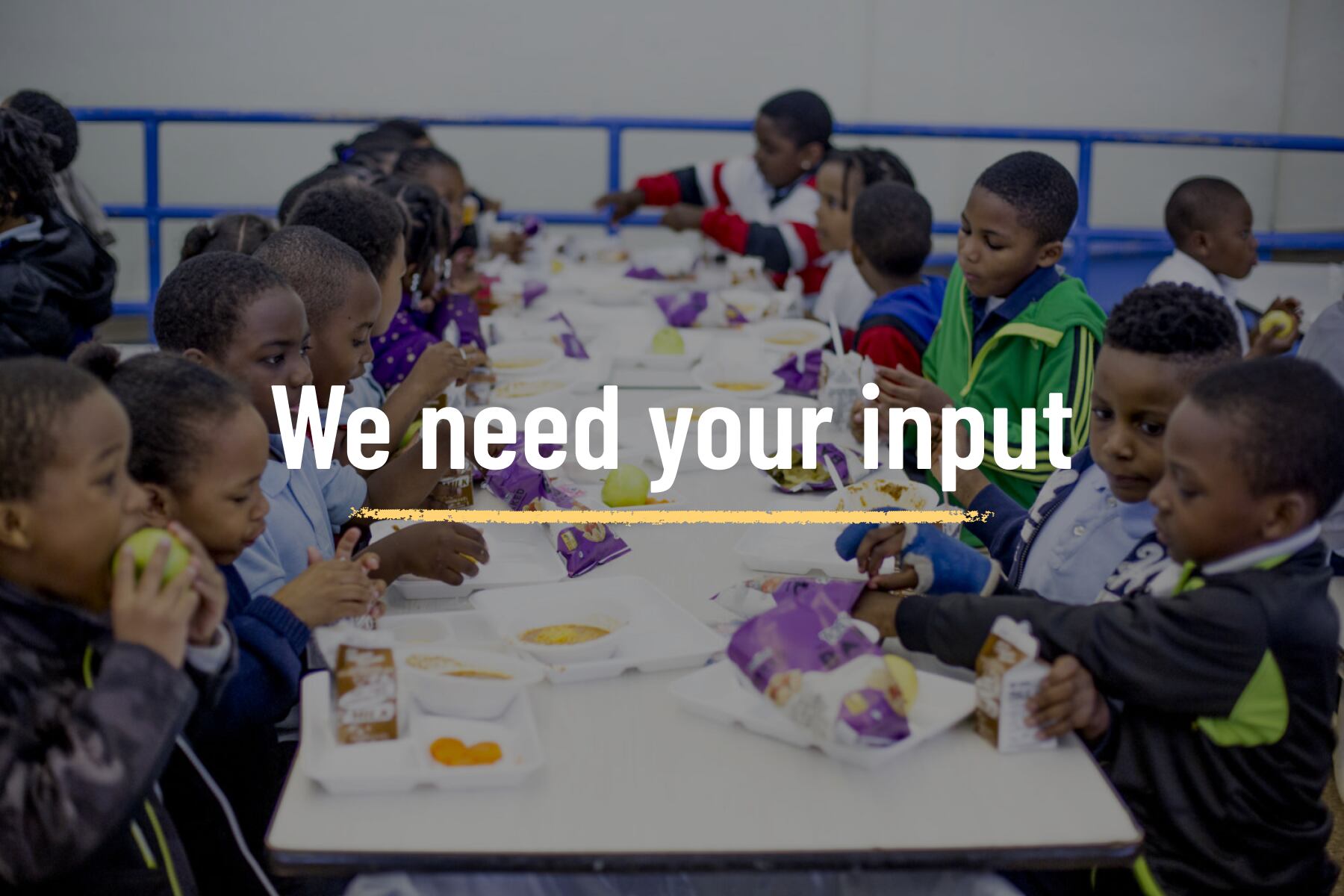
This Chalkbeat callout shows children eating lunch at a long table in Detroit.
Most Michigan students are back to learning in-person, a welcome change after a year in virtual school. But COVID remains a major obstacle to education. As we continue to cover this challenging, hopeful year, we’re asking parents to guide us. (Anthony Lanzilote for Chalkbeat)

When Michigan schools reopened this fall, the new semester was hailed as an opportunity for academic and social recovery after a COVID-scrambled school year.

So far, the results have been mixed.

Most students are back to learning in person, a welcome change after a challenging year in virtual school. But COVID remains a major obstacle to education.

Just ask the students in lengthy quarantines, parents concerned about shortages of special education aides and security guards, and families that had to scramble after their child’s school was closed due to a COVID outbreak.

As we continue to cover this challenging, hopeful year, we’re asking parents to guide us.

Please tell us about your concerns and priorities by filling out the survey below. If you have trouble viewing the survey, go here.

The Latest

The Denver school board approved a two-year, $3.5 million contract with TeachStart to provide year-long substitute teachers for certain schools.

A Chalkbeat analysis suggests that the district’s joint initiative with its teachers union hasn’t yet given its 20 pilot schools an edge over other high-poverty campuses when it comes to academics and school climate.

A Chalkbeat analysis found that staff turnover, unspent dollars, and community partner tensions have been key challenges for the 7-year-old program.

Superintendent Nikolai Vitti says the law punishes districts for system inequities that contribute to chronic absenteeism.

State lawmakers will consider creating a new agency to oversee IPS schools and charters. Here’s a look at the history and powerful advocates behind that push for unified control over city schools.

The majority of low-income Tennessee students did not receive help paying for summer meals in 2025 for the first time in years. Now, local officials want the state to bring back federal aid for 2026.