Do you think Michigan students should wear masks this fall? Let us know.

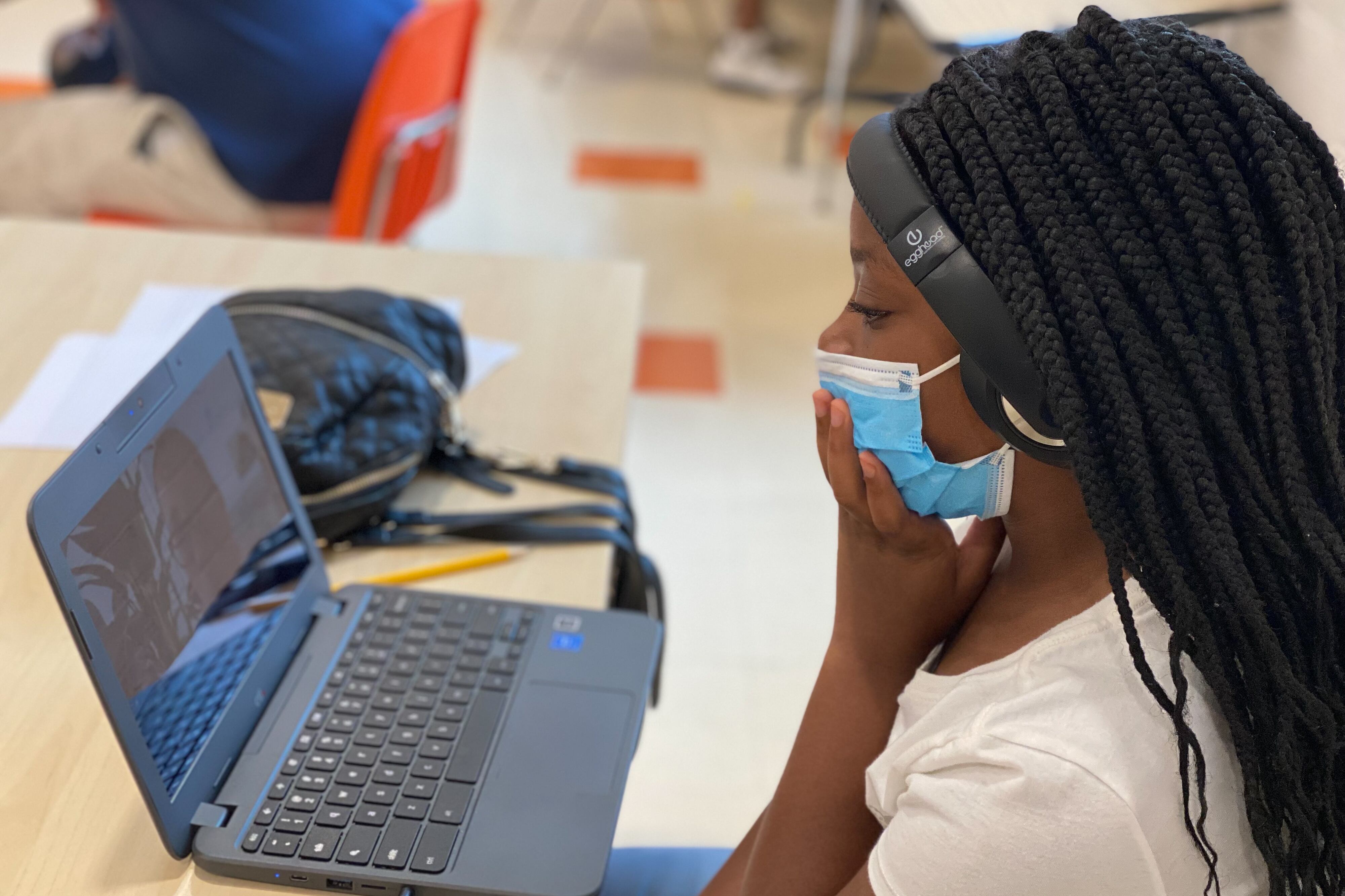
Districts across the state will make decisions on mask-wearing for students based on sometimes conflicting guidance from public health groups and medical associations. (Aaricka Washington / Chalkbeat)

The Centers for Disease Control and Prevention say masks should be required only for unvaccinated students. The American Academy of Pediatrics says all students should wear face coverings.

It’s now up to Michigan school districts to decide which right. And you can help them.

With the fall semester approaching, Michigan school officials are once again developing COVID safety plans as more contagious variants spread among unvaccinated people across the U.S. Public feedback on these measures should help determine what safety measures students and staff are asked to take this fall.

We’re asking Chalkbeat readers to get the discussion started. What safety measures do you think are essential? Which, if any, aren’t workable?

Share your view using the form below.

Having trouble viewing this form on mobile? Go here.

The Latest

State Sen. John Liu suggested the city could phase in smaller class sizes over four years instead of two. Any changes to the 2022 mandate are likely to spark debate in Albany.

The announcement at a Tuesday meeting comes as substantial changes for IPS are on the horizon that will dilute the elected school board’s power.

Supporters framed the bill as a money-saver for families. “I’m raising two daughters right now, and I think every $5 you can keep in your pocket is important,” one state lawmaker said.

College advisers said students with undocumented family members are fearful of filling out the Federal Application for Federal Student Aid. The state also has lost a FAFSA data tool that made tracking student progress on the form easier.

Democrats hold the majority on the board, and they argued that the board should stay focused on key education issues such as literacy.

Sherrill’s first budget proposes more than $13.8 billion to education with record funding for K-12 and preschool aid, expanded high-impact tutoring, and new mental health services timed to the state’s first year of phone-free schools.