Did you know search engines like Google are changing the way you see news? Keep Chalkbeat’s valuable education coverage at the top of your feeds by clicking here and checking the box next to our name.
Voters approved a $95 million tax measure benefiting Indianapolis Public Schools and the city’s charter schools, according to unofficial Election Day results.
With all of the vote centers reporting, roughly 63% of voters voted in favor of the referendum, and 37% voted against it.
The additional revenue is crucial for a variety of programs and staffing, district and local charter leaders have said. Out of the total funding, $63 million will go to programming, including services for students with disabilities and students learning English. The remaining $32 million will support staff retention and professional development.
The newly formed Indianapolis Public Education Corporation is overseeing the referendum for the first time this year, after assuming the taxing powers previously held by IPS.
The stakes attached to the referendum were especially high for IPS. Last week, IPEC Executive Director Karega Rausch echoed a warning from district Superintendent Aleesia Johnson that if the tax measure fails, the district could face insolvency and a state takeover. And IPS previously said it expects to make $20 million in budget cuts even if voters approved the referendum, a plan that underscores the district’s long-term fiscal challenges.
Roughly 60 charter schools will also receive about half of the funding from the referendum.
IPEC plans to create a tracker so that people can track referendum spending, and Rausch pledged that “not a dime” of the money would go to IPEC.
The referendum will impose a tax rate of 37 cents per $100 of a home’s assessed value. The ballot language approved by IPEC notes that for a home assessed at $150,000, voters will pay an additional $221 under the referendum. Referendum advocates have said the actual increase will be less, because voters approved a 2018 referendum for schools and have been paying roughly 19 cents per $100 of a home’s assessed value since then.
On the afternoon of Election Day, Rausch wasn’t ready to discuss worst case scenarios — that is, what would happen if the referendum failed.
“We’ve got three hours left to do our very best to really help voters understand what’s at stake and what the opportunities are,” Rausch said.
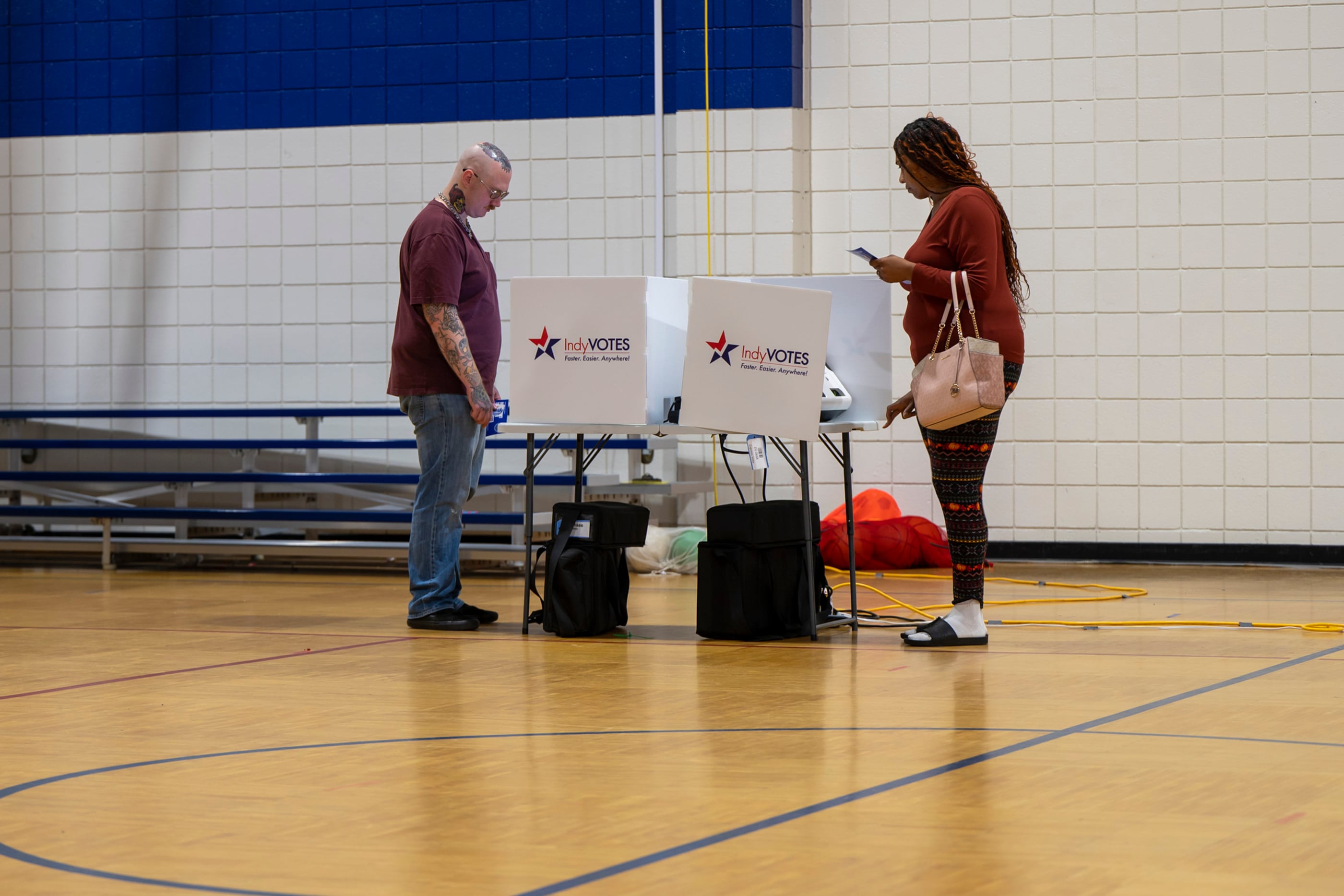
At the Benjamin Harrison Presidential Site on Tuesday, voters were overwhelmingly in favor of the referendum.
“Anything that supports schools I felt was good to support,” said Michael Miller.
Rausch said most voters he spoke to were aware that their property taxes wouldn’t rise quite as much as the referendum language spelled out. But some were concerned regardless about the tax increase, he said.
The Yes for Indianapolis Public Education campaign backed the referendum. Its leaders include former Indianapolis mayor Bart Peterson and former IPS board president Diane Arnold.
Chalkbeat’s guide to the referendum is available here.
This story has been updated to include comments from polling sites on Election Day.
Chalkbeat Indiana Reporter Aleksandra Appleton contributed reporting.
Andrew Ujifusa is a story editor at Chalkbeat.