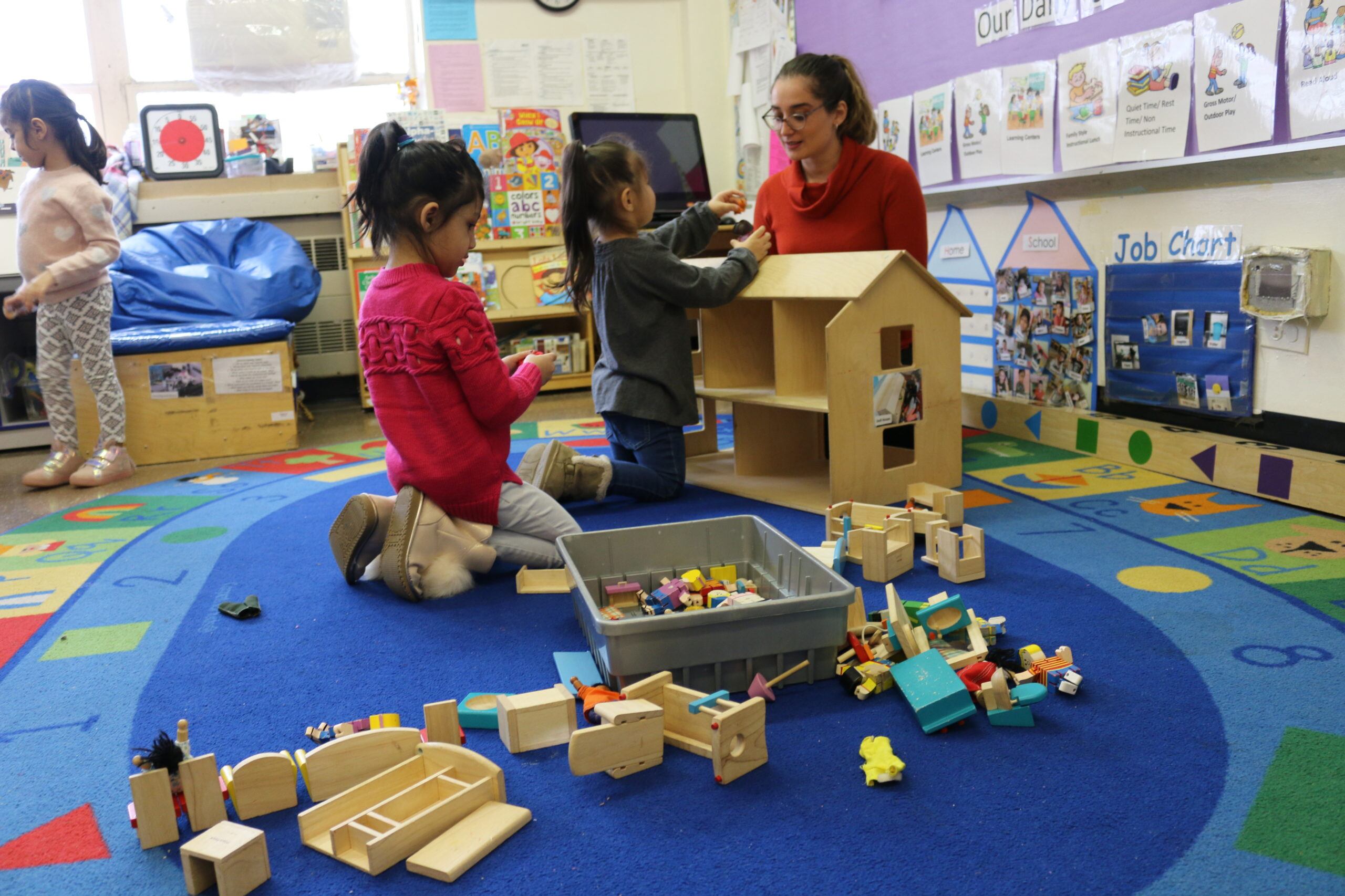
School districts throughout New York state can provide in-person special education services over the summer, according to an executive order Gov. Andrew Cuomo issued Friday evening.
It’s not clear whether the order will nudge New York City education department officials to offer in-person special education services this summer, since districts won’t be required to provide such services in-person.
The governor had previously announced that summer school statewide would need to take place remotely.
Last month, Mayor Bill de Blasio said that all summer instruction would be provided virtually, disappointing some caregivers for students with disabilities who had hoped for at least some in-person support.
City education department officials previously said they were looking to provide in-person services for students with disabilities “as soon as possible.”
Spokespeople for City Hall and the education department did not immediately respond to requests for comment Friday evening, following Cuomo’s executive order.
About 39,000 New York City students receive year-round special education services. These services typically go to those students who have more serious needs, including autism or communication delays, and are at greatest risk of losing ground over the summer.
Many of those students attend District 75 programs, which serve students with the most profound disabilities, and often continue school over the summer.
Some parents had worried that the limits of remote summer learning would be felt even more acutely by students with complex disabilities, many of whom are already struggling to cope with the loss of routine, access to social groups, and are at greatest risk of falling further behind.
Still, other parents have expressed concerns about the possible dangers of returning to school buildings as the coronavirus still poses a significant threat. Some educators have expressed reservations about returning over the summer and the New York City teachers union has outlined measures they want in place before buildings reopen, including widespread testing and temperature checks.
Shortly after the order was issued, one group of educators said the move was a “slippery slope” that could jeopardize the health of educators and families.
“We support special education services for our students & families, but this executive order sets a terrible precedent, @NYGovCuomo, that our special education teachers, students, and families will be forced to risk their lives during a global pandemic,” MORE-UFT, the union’s social justice caucus, tweeted.
If school systems choose to offer in-person special education services, they will be required to follow state and federal guidance, the executive order said. No such state guidance was released Friday but is expected to be posted “in the next day or so,” Rich Azzopardi, a senior advisor to the governor, said in a tweet.