Which New York City schools have cafeterias with salad bars? Which serve halal meals? Which have gardens?
The education department quietly launched a school kitchen dashboard last month, giving parents and students a chance to learn what their schools offer. The website is part of a larger vision Mayor Eric Adams shared Tuesday about teaching students more about healthy eating — his latest effort to steer New York students towards a better diet.
New York City’s food education report includes plans to expand education programs on nutrition, develop a greater consumption of plant-based foods, and establish further culturally responsive food options.
Those improvements will encourage students toward healthier foods, helping combat high rates of health issues in a city where nearly 40% of public school students are overweight or obese, according to the report. Officials noted childhood obesity disproportionately affects Black and Latino students, putting them at greater risk for chronic diseases like diabetes and asthma.
Currently, 815 of the more than 1,800 public schools in the city do not have a food education program, with particularly low rates among high schools. That means more than 40% of all public K-12 schools in the city lack a food education program — defined by the city as combining education strategies and environmental supports to motivate individuals to adopt healthier food choices and behaviors.
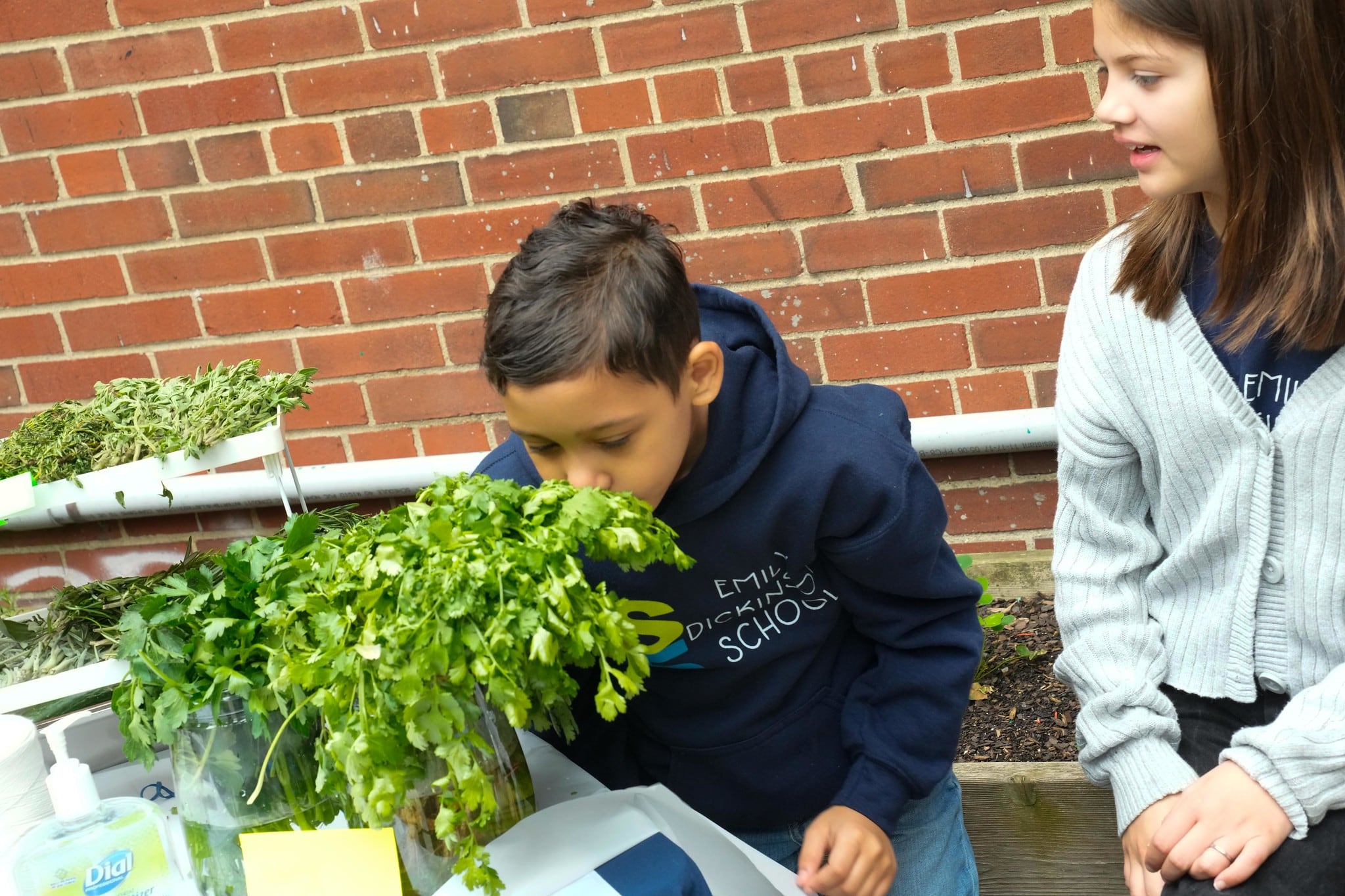
Food education “permeates learning and the student experience throughout the school day, as well as before and after school,” according to the report. “It can take many forms, from hands-on food preparation, school-wide assemblies, classroom-based learning, field trips to farmers markets or botanical gardens, school garden-based lessons, and more.”
City officials plan to develop a guidebook, convene a council, and offer staff and student training on food education in an effort to spread knowledge across schools.
Adams has repeatedly pushed to improve school food, introducing vegan lunches on Fridays shortly after he took office, and considering a ban on chocolate milk in schools — ideas that have not always been popular. His administration has also committed $100 million to cafeteria improvements and expanded halal meal services in schools, according to the report.
Tuesday, Adams relied on a common refrain in announcing the city report, once again claiming to have reversed his own diabetes through a change in diet. Adams, who follows a mostly vegan diet, has often turned to his own health struggles to explain the urgency of his food initiatives.
Schools Chancellor David Banks also recounted a story from his youth, noting how his own research in high school led him to cut red meat from his diet — a lesson he has passed onto his children.
“Children stop me sometimes in the street and say, ‘I want my pizza and my hot dog,’” Adams said. “But there’s going to come a time when these young scholars are going to look back at this moment, and they’re going to say this was the right thing to do.”
Julian Shen-Berro is a reporter covering New York City. Contact him at jshen-berro@chalkbeat.org.