Students, parents: How much are senior dues this year?

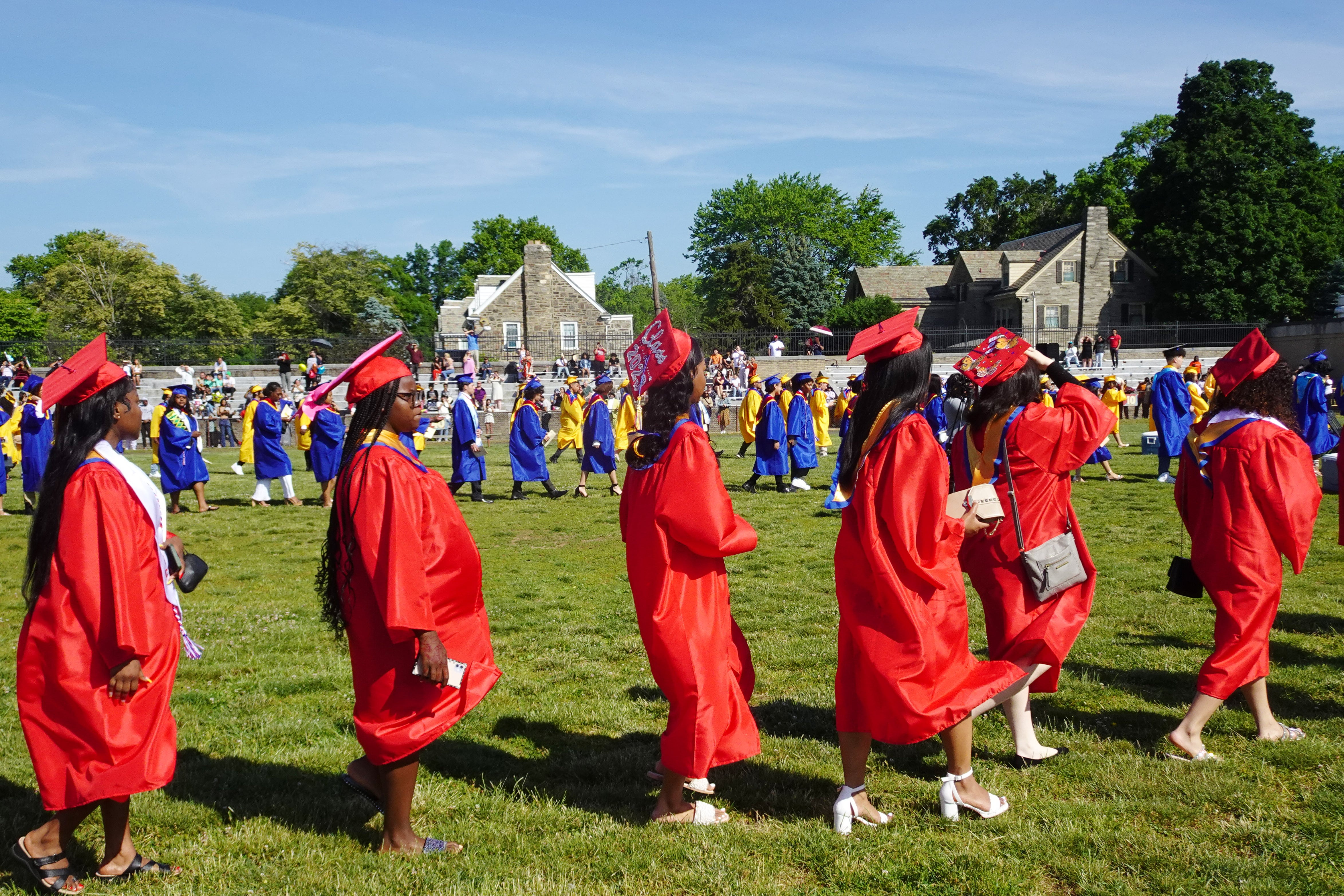
High school graduates in red gowns line up outside on a green grassy field with blue sky in the background.
Philadelphia schools use senior dues to pay for graduation expenses, class gifts, luncheons, and more. We want to know how much your school is charging and what those dues cover. (Carly Sitrin / Chalkbeat)

It’s that time of year again: Schools across Philadelphia are collecting senior dues for this year’s graduating students to go toward prom, senior luncheons, class t-shirts, gifts, and graduation expenses.

According to a spokesperson for the Philadelphia School District, the average cost for these fees citywide is $200 per student, but we’ve heard those amounts vary widely from school to school and from year to year. Some are all-inclusive and cover prom tickets, class trips, and portraits, while others only pay for graduation-specific costs.

We want to know how much you’ve been asked to pay for senior dues, what they pay for, and how you feel about this practice.

Carly Sitrin is the bureau chief for Chalkbeat Philadelphia. Contact Carly at csitrin@chalkbeat.org.

The Latest

The decision to relinquish the charter for its South Bend campus will help stabilize long-term operations for its two Indianapolis campuses, the charter network said.

“When every child reads, Michigan wins,” Gov. Gretchen Whitmer said.

The judge ruled Monday that the county commission’s bid to put all nine school board seats up for election this year is invalid. That saves five MSCS board members from facing shortened terms.

At Lankenau Environmental High School, educators said the district should protect the campus’ unique offerings. At Paul Robeson High School, families worried the school’s land has been targeted for redevelopment.

The parents of slain Fishers teenager Hailey Buzbee spoke in support of a social media restriction for children and teens.

Two Democratic lawmakers proposed boosting state education funding, a priority for the Chicago Teachers Union. They estimated that would require the state, which faces its own financial pressures, to chip in an additional $550 million to $1 billion more a year.