
COVID and Schools


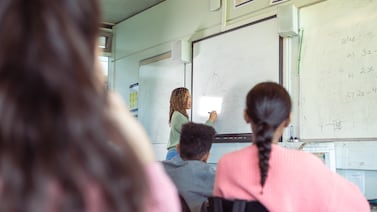
New York City is spending $290 million to prevent budget cuts at schools projected to lose enrollment next year. That’s more than twice what the city spent last year.
America’s learning recession did not affect all students equally. One of the most surprising divides is by gender — and experts still don’t know what’s driving it.
While 9-year-olds showed signs of academic progress, students in middle grades 13-year-olds were still struggling as of a year ago, according to NAEP’s long-term trend assessment that’s been measuring achievement since the 1970s.

A new analysis finds the academic payoff of starting kindergarten late petered out within a few years.

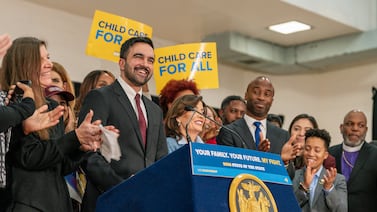
The long-term math can work but it depends on voter support and economic growth.

Credit-recovery programs give students the chance to earn credits they need for the next grade or graduation. But do these second chances to pass give the system permission to fail?
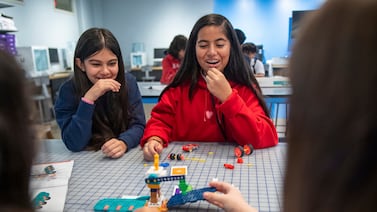
Scores fell for both boys and girls, but girls’ scores fell more. The reasons why are not entirely clear.
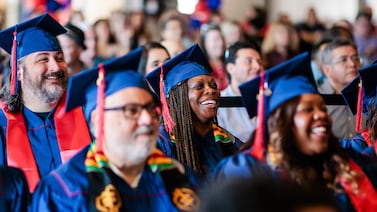
The main difference between the two programs? Money. One of the biggest barriers preventing adults who dropped out of college from going back is a lack of financial help.

The city spent millions of dollars on air purifiers in schools to combat COVID. But the devices should also help with pollutants like wildfire smoke.
Episode 8 of P.S. Weekly tackles the emotional and social fallout of the pandemic, looking at mental health issues that left many students unable to attend class.