
Indianapolis Public Schools

Indiana has turned to donors to fund education programs before, like the Dolly Parton Imagination Library.

Board members agreed to vote on the matter earlier in the week, but at Thursday’s meeting decided that doing so would violate the board’s bylaws.
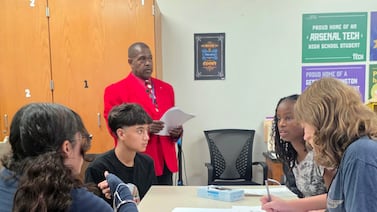
At Harshman Middle School, a peer mediation program is giving students the tools to resolve conflicts themselves.

The decision came after discussions with the district about layoffs during future budget reductions.

IPS left Enroll Indy, in part due to cost savings to the district. Then, Enroll Indy cut its fee to IPS and charter authorizers, but IPS didn’t budge.
The Innovation Network school had long been among the lowest performing schools within Indianapolis Public Schools.
Cornett was removed from the ballot in August after not meeting requirements to run as a Democrat. Now, she’s back on the ballot but without a political affiliation.
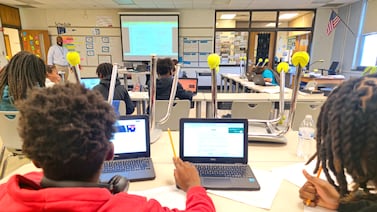
Superintendent Aleesia Johnson said the district will switch to PowerSchool for families’ application, enrollment, and registration needs.

10 school districts in the county have school board seats up for election. Read our voter guides for candidates’ responses to our surveys in partnership with WFYI and Mirror Indy.
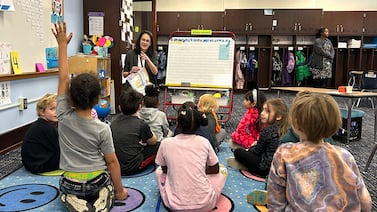
The majority of the IPS board seats are on the ballot in the Nov. 3 election. Read what candidates said about academics, working with IPEC, and looming financial decisions.

Here’s what the referendum would cost and support.
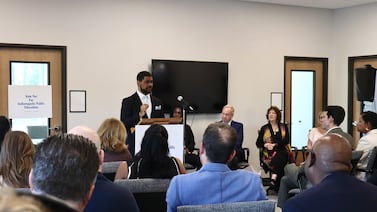
IPS will make millions in cuts even if voters approve the ballot item. That’s led to criticism from some in the education community.

Students still have multiple opportunities to complete an assignment before they would receive a zero on an assignment.
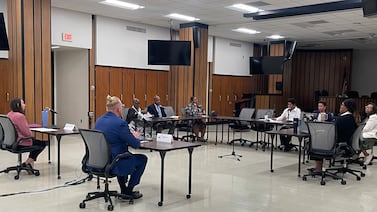
The Marion County Election Board removed her from the ballot earlier this month. Cornett is challenging that decision in court and also filed as a write-in candidate.

A record number of school districts are seeking property tax increases this November. Search for details on your school district’s ballot question using our tool.

The Indianapolis Public Education Corporation also hired Andrew Strope, whose salary is not yet final. Rausch comes from a charter background, while Strope used to be IPS deputy superintendent.

The Marion County Election Board unanimously deemed a challenge against Cornett to be successful, while rejecting a challenge against Chris Bultman. Both challenges were based on the candidates’ party affiliation.

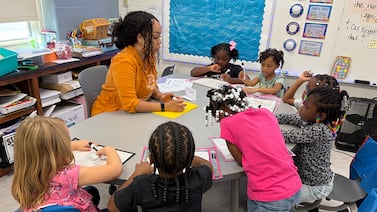
The coming school year will likely bring significant changes for Indianapolis schools, but the first day of school was all about building excitement and literacy skills.

Cornett voted in a single Democratic primary in Indiana, according to Marion County records. That falls short of a new requirement for school board candidates who want to affiliate with a party on the ballot.
A new Indiana law that lets school board candidates run under a political party is now threatening to knock the candidates for the Indianapolis Public Schools District 4 board seat off the November ballot.