Tennessee will wait until mid-May to award school vouchers to families, giving a Nashville judge several weeks to rule on a flurry of motions in two lawsuits seeking to halt the program before it starts.
Chancellor Anne C. Martin is scheduled to hear arguments Wednesday on nine motions that range from the state’s efforts to dismiss both lawsuits to requests by several plaintiffs to declare the 2019 education savings account law unconstitutional. One motion asks for a temporary injunction to keep the program from launching before the new school year.
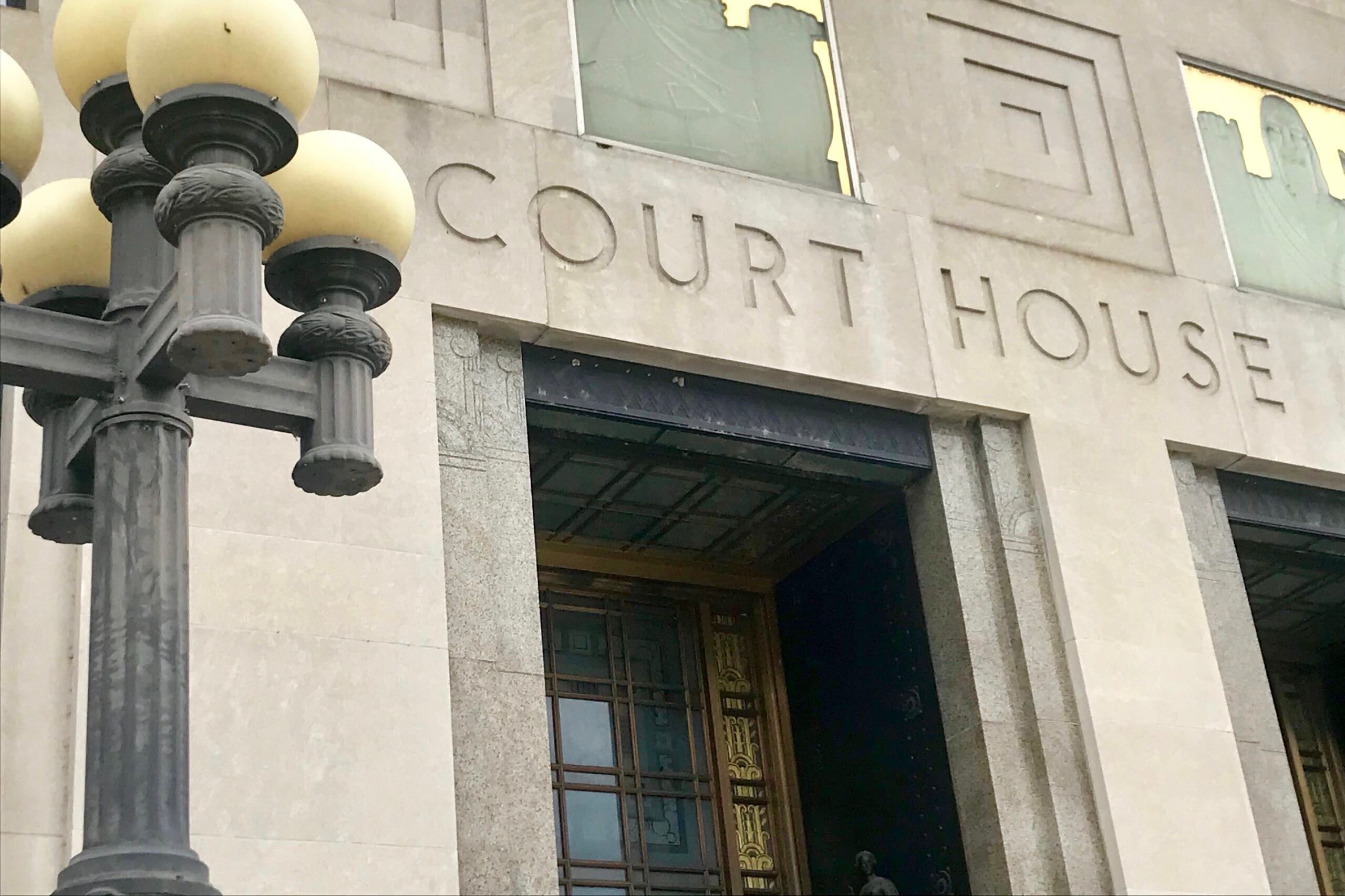
The judge is working under a tight timeline in the legal battle over whether Tennessee has constitutional authority to start giving taxpayer money to families in Memphis and Nashville to send their children to private schools.
Martin is expected to rule on several key motions in early May. Her two recent orders noted that the state, which has been accepting applications for the program since March 27, has agreed “not to notify any person that he or she has been approved to receive an Education Savings Account” before May 13.
The judge pledged in March to move swiftly in the case because the program’s launch is looming. As an example, she set this week’s hearing date to listen to initial arguments in both lawsuits, even though the cases haven’t been consolidated.
“Judicial economy weighs in favor of resolving all pending and soon-to-be-filed motions in these related cases in one special setting,” Martin wrote in separate orders for each lawsuit.
The arguments are expected to last most of Wednesday and will be conducted by videoconference instead of in a Davidson County Chancery courtroom because of the coronavirus pandemic.
The first lawsuit was filed in February and pits the state against Metro Nashville and Shelby County governments, as well as Metropolitan Nashville Public Schools.
A second lawsuit was filed in March by attorneys representing 11 parents in Memphis and Nashville through the Southern Poverty Law Center, the Education Law Center, the American Civil Liberties Union of Tennessee, and the Nashville law firm of Robbins Geller Rudman & Dowd LLP.
Three pro-voucher groups representing parents from Memphis and Nashville are also part of the case.
A key argument in both complaints is the state constitution’s so-called “home rule” provision that prohibits the legislature from passing laws that single out individual counties unless approved by two-thirds of the members of those counties’ legislative bodies, or a majority of voters. In Memphis and Nashville, local officials have consistently passed resolutions against vouchers, and almost every state lawmaker representing those communities voted against the education savings account bill.
In its motion for dismissal, the state argues the law doesn’t violate the home rule provision because the program “is a matter of state education policy.”
The education savings account law was championed by Gov. Bill Lee and passed a year ago by two votes in the House after years of similar proposals bottlenecking there.